In Memory of an Iconic Journalist
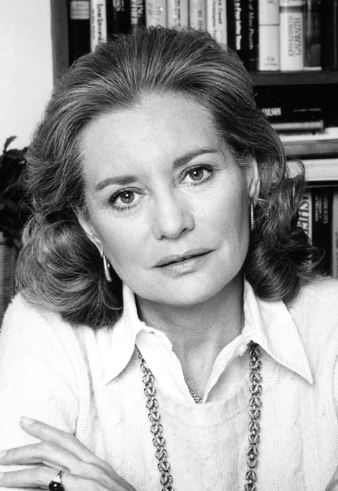 Barbara Jill Walters (1929-2022) was born in Boston to Jewish parents who were the children of immigrants from Russia and Poland (the original family last name was Waremwasser). Her father worked in show business and moved the family around many times, having also made and lost his fortune several times. After earning her BA in English, Walters worked for a small NBC-affiliate in New York. Her first production was a 15-minute kids show. In 1955, she moved to CBS to work as a writer for The Morning Show. Six years later, she switched to NBC’s The Today Show. Eventually, she went from writer to “Today Girl”, meaning a female journalist who relayed only local news and weather, since in those days it was thought a woman could not deliver “serious news”. Walters did eventually break through to be taken as a serious reporter. By 1971, she had her own show called Not for Women Only. Three years later, she became the first-ever female co-host of a national news program. Hugely popular, Walters was soon able to sign a whopping $5-million deal with ABC, making her the first American female news anchor and the highest paid news anchor of all time (male or female). In 1979, she joined 20/20, and turned it into one of America’s most-watched shows. Walters was famous for her interviews of presidents and global leaders. In 1977 she interviewed both Anwar Sadat and Menachem Begin. She would go on to interview the likes of Yeltsin and Putin, Castro and Gaddafi, Thatcher and Indira Gandhi. Her interview of Monica Lewinsky in 1999 is still the most-watched news program of all time, with 74 million viewers having tuned in. Walters was co-creator, co-producer, and co-host of The View, which won an Emmy for Best Talk Show in 2003. She also won an Emmy for Best Talk Show Host. Walters retired from 20/20 in 2004, and from The View in 2014, and her final official interview was with Donald Trump the following year. She wrote the bestselling book How to Talk with Practically Anybody About Practically Anything, as well as a popular memoir. Walters received many honours, including a star on the Hollywood Walk of Fame, induction into the TV Hall of Fame, a Disney Legends award, and a Lifetime Achievement Award from the National Academy of Television Arts and Sciences. Sadly, she passed away last week.
Falling in Love with Judaism in Cameroon
In a Monastery, a Menorah Brings a Jew Back Home
Words of the Week
Only he who has been a force for human goodness, and abides in hearts and souls made better by his presence during his pilgrimage on earth, can be said to have lived, only such a one is heir to immortality.
– Rabbi Dr. J.H. Hertz