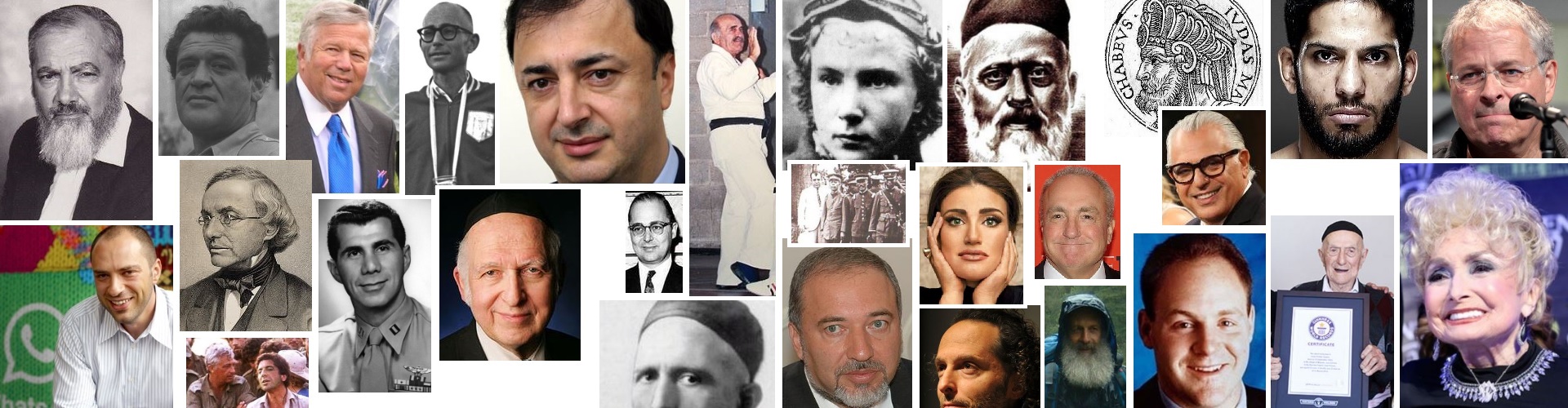

The Legendary Moses Montefiore
Moshe Chaim Montefiore (1784-1885) was born in Livorno, Italy to a wealthy Sephardic family. Raised in England, he worked as a grocery merchant before earning great wealth in the stock exchange. In 1824, Montefiore retired and dedicated his life to making the world a better place, funding countless schools, hospitals and other institutions. He was a key figure in abolishing slavery, and even raised the money used to compensate angry plantation owners. Montefiore served as Sheriff of London, and was knighted by Queen Victoria for his selflessness. In 1827 he travelled to Israel and the experience returned him to his Jewish roots. He became a strictly Torah-observant Jew, so much so that he had a personal shochet travel with him so that he can have kosher meat. Fighting for each individual Jew, Montefiore personally went to Turkey to gain the release of 10 imprisoned Jews. He did the same in trips to Russia, Morocco, Rome and Romania. In 1862 he built a Sephardic yeshiva, in addition to the great Montefiore synagogue, built on the former estate of Queen Caroline. Montefiore would make 7 trips to the Holy Land over his life time (the last at age 91!) setting the ground work for the Zionist movement. He financed much of the early construction projects, including the first printing press and textile factory, established multiple agricultural colonies, and even commissioned several censuses that provide us with important information to this day. Montefiore died childless at the age of 100. His centenary was celebrated as a national holiday. Today, the 13th of Av, is his yahrzeit.
Words of the Week
A wealthy anti-Semite once told Moses Montefiore that he had just returned from Japan, where there are “neither pigs nor Jews.” Sir Moses replied: “then you and I should go there, so that they should have a sample of each.”
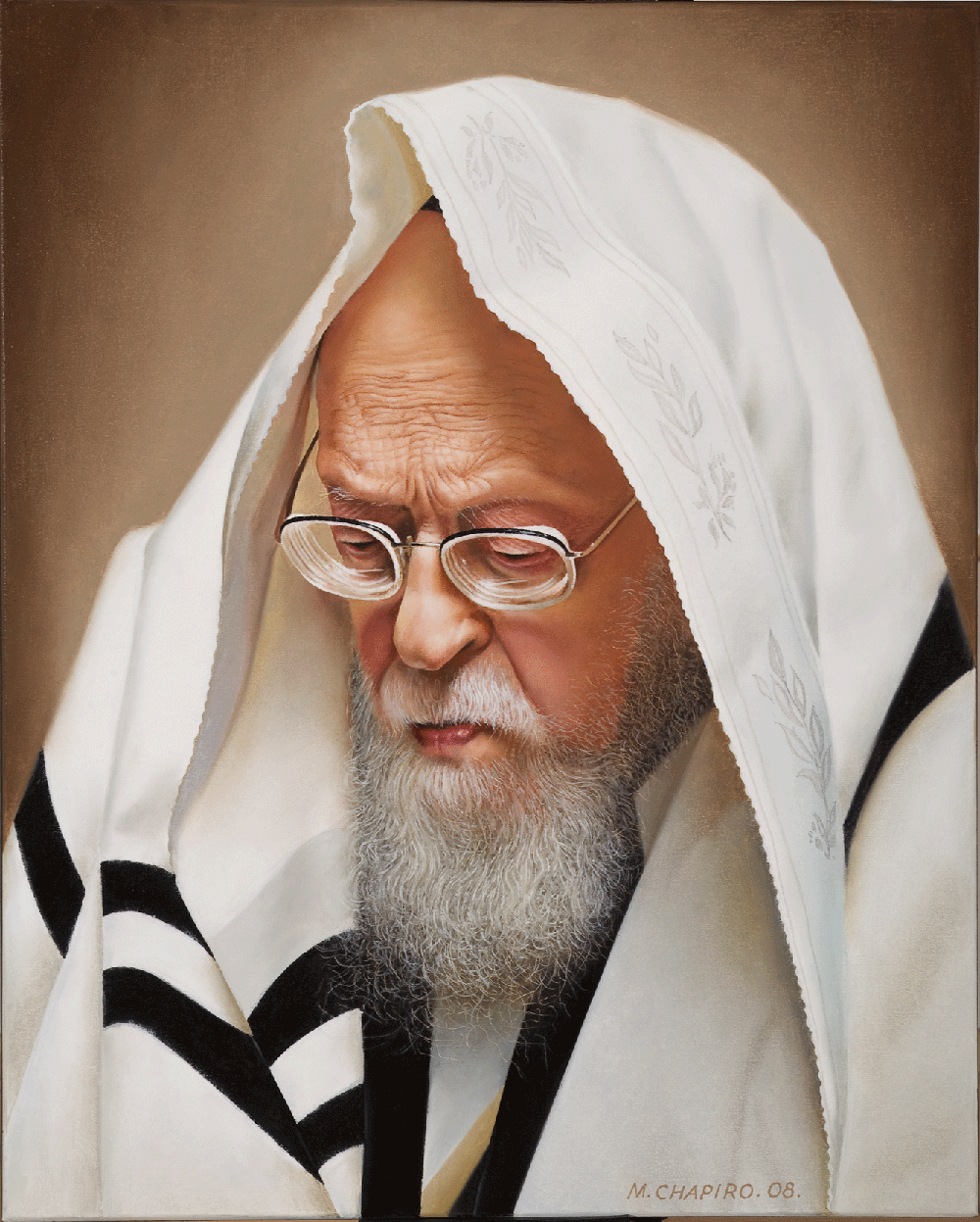
 Shlom-Tzion (139–67 BCE), more commonly known by her Hellenized name Salome Alexandra, has the distinction of being the only true, independent Jewish Queen of Israel in history. Her husband was the king Alexander Yannai, a Sadducee who sparked a civil war and began an extermination campaign against traditional Judaism. At his death, Salome took over and restored peace to the kingdom. She ended her husband’s cruel persecutions of the rabbis (recalling many of them from exile in Egypt, including her brother, the great Shimon ben Shetach). She also re-established the Sanhedrin, the Jewish Supreme Court. Together with the sages of the day, a public school system was instituted for all children, rich or poor. Salome also championed the rights of women and developed the marriage document (ketuba) with clauses that protect the bride, as we still use to this day. Greatly expanding the army and fortifying Judea’s borders, Salome protected the kingdom from foreign powers (particularly Armenia and Syria). Her reign was marked by incredible prosperity, and the Talmud recounts that during her nine-year rule the rains always came in their times, oats grew as large as olives and wheat grains as large as kidney beans. Sadly, the kingdom quickly unraveled at her death, and was shortly after conquered by Rome.