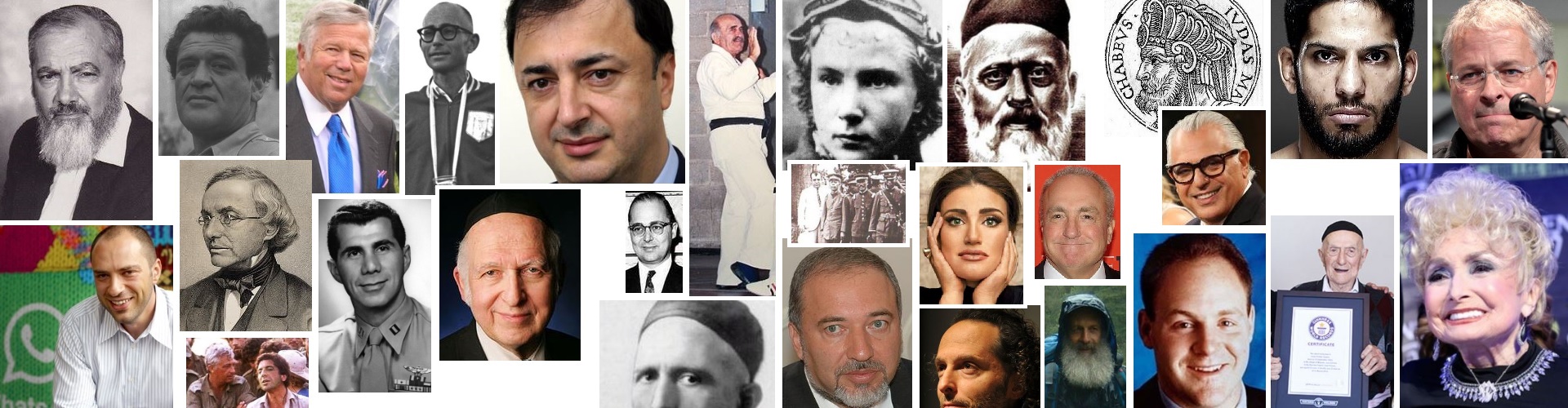
Father of Iraq
 Sassoon Eskell (1860-1932) was born in Baghdad to a wealthy and illustrious Mizrachi Jewish family. At the time, some 40% of Baghdad’s population was Jewish. Eskell’s father was a rabbi, and at one point served as the chief rabbi of India’s large Baghdadi community. Eskell studied law and economics in Istanbul, London, and Vienna. He spoke nine languages fluently, and became the official translator (dragoman) for the Ottoman government in Baghdad. When the Ottomans drafted a constitution and established a new Turkish Parliament in 1908, Eskell was elected as Baghdad’s deputy representative. He also served as the under-secretary of state for trade and agriculture, and represented the Ottomans on multiple international delegations. At the end of World War I, the Ottoman Empire collapsed and Eskell was among the key figures that pushed for Iraqi independence. He was one of two Iraqi representatives that negotiated with Winston Churchill in creating the new state and choosing its first king. Eskell went on to be Iraq’s first finance minister, and continued in this role through the next five governments. He was the primary advisor to the Iraqi king and prime minister, and was described as “by far the ablest man” on Iraq’s governing council. Eskell was elected to the first Iraqi parliament in 1925, and continued to serve on it until his death. He is often referred to as the “Father of Iraqi Parliament”. Among his many significant achievements was making sure that Iraq’s oil was sold to the British for gold, not pounds sterling. While this was unusual at the time, the British pound soon lost most of its value and was no longer backed by gold. Sassoon thus ensured Iraq’s wealth was not diminished, and that it would continue to profit from its oil sales. These funds were critical in ensuring the success and viability of the nascent state. Eskell was also a major philanthropist and gave countless sums to charity. Much of his wealth went to the Jewish National Fund to support the re-establishment of Israel. The village of Kfar Yehezkel in Israel is named after him. Among his many other awards and honours, Eskell was knighted by King George V. Several years ago, the Iraqi government demolished his historic 100-year old home in a controversial move that made way for a new development.
Words of the Week
Those who stand for nothing fall for anything.
– Alexander Hamilton
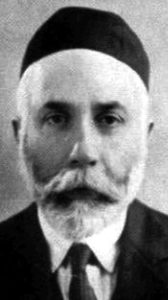
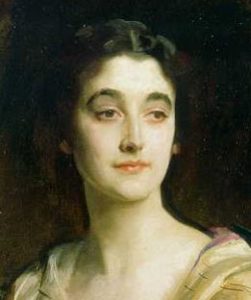
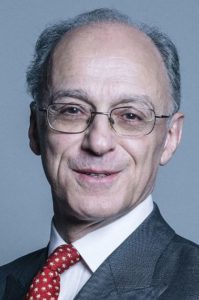
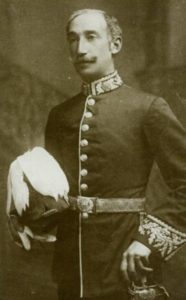 Sir Edward Sassoon (1856-1912), the son of
 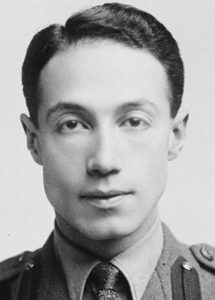 Their first child was Sir Philip Albert Gustave David Sassoon (1888-1939). He studied at the prestigious Eton College, and then at Oxford—one of just 25 Jewish students at the time. Following this, he joined the British Army and had the rank of second lieutenant. He followed his father into Parliament in 1912. When World War I broke out, Sir Philip was sent to mainland Europe and was the private secretary of Field Marshal Douglas Haig, commander of the British Expeditionary Force. He was later awarded the Croix de Guerre for “distinguished service” in the war. Returning to Parliament after the war, Sir Philip made it his personal mission to bring civilian air travel to England and the world. Airplanes were still little-known by the public, and considered far too dangerous. Sir Philip bought his own airplane in 1919 to promote air travel to the masses. In 1931, he was appointed Under-Secretary of State for Air. He also served as England’s First Commissioner of Works, and chaired London’s famous National Gallery. Philip owned Trent Park in the north of London, and built a mansion there where he liked to host his many friends. Interestingly, during World War II the British used Trent Park as a luxury prison for high-ranking German POWs, on whom they