
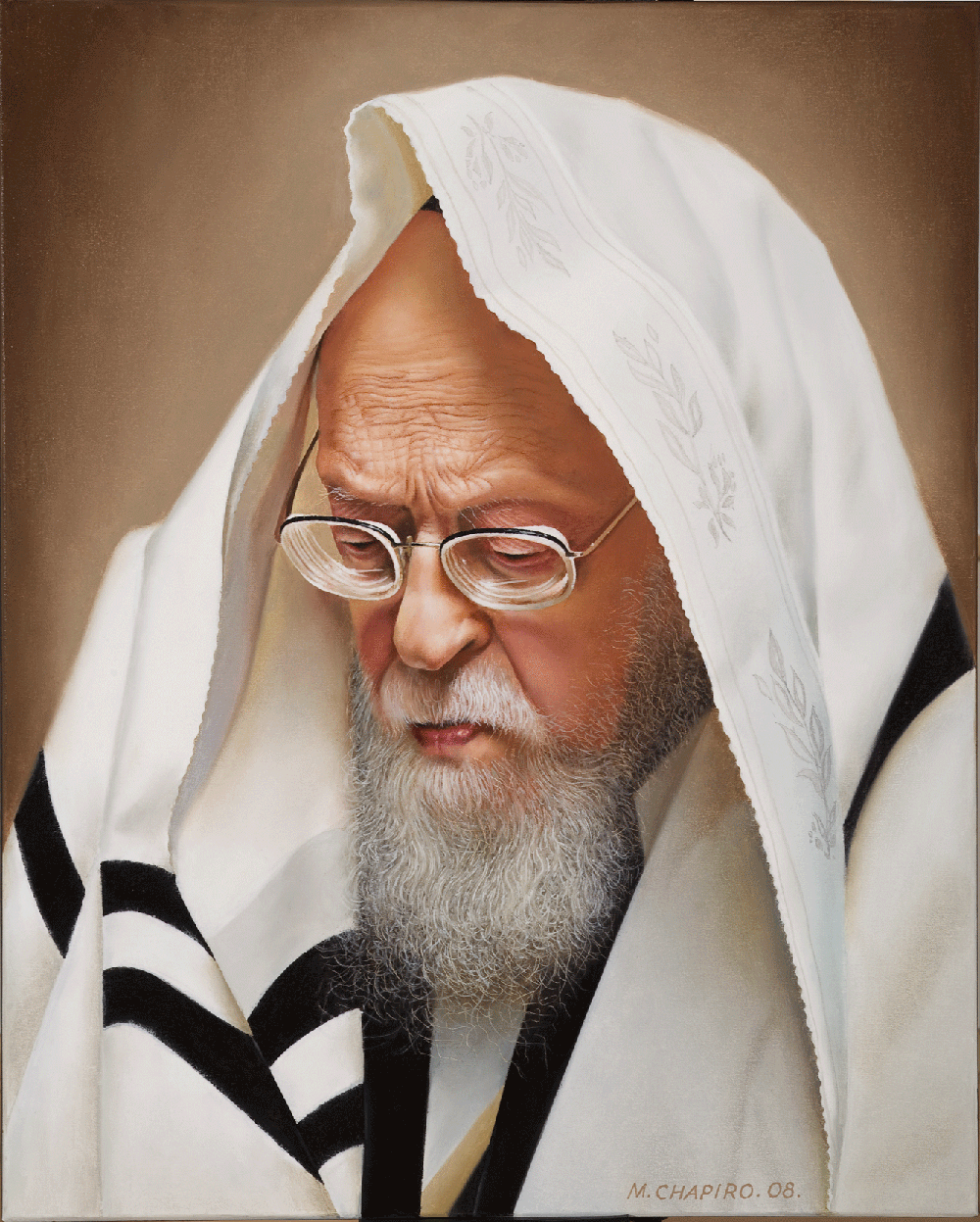
Rav Elyashiv
Yosef Shalom Elyashiv (1910-2012) was born in Lithuania, the grandson of famous kabbalist Shlomo Elyashiv. He was an only child, long-awaited after 17 years of childless marriage. Proving his genius at an early age, he never needed to pass any rabbinical examination or ordination. Considered by many to be among the greatest rabbis in the world, and chief posek (authority of Jewish law), he was also the spiritual leader of the Degel haTorah party in the Israeli Knesset. Since the 1950s, countless volumes of his teachings have been published, including a famous 18-volume set of Talmudic commentaries. Rabbi Elyashiv passed away last week, at the age of 102. Over 300,000 people attended his funeral in Jerusalem. True to his humble nature, it was his wish that no eulogies be said. Rav Elyashiv had 12 children, and lived to see his great-great-great-grandkids. Incredibly, he already has nearly 1000 descendants!
Words of the Week
Better that you not vow, than that you should vow and not fulfill.
– King Solomon (Kohelet 5:4)
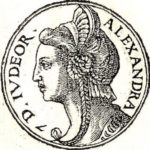 Shlom-Tzion (139–67 BCE), more commonly known by her Hellenized name Salome Alexandra, has the distinction of being the only true, independent Jewish Queen of Israel in history. Her husband was the king Alexander Yannai, a Sadducee who sparked a civil war and began an extermination campaign against traditional Judaism. At his death, Salome took over and restored peace to the kingdom. She ended her husband’s cruel persecutions of the rabbis (recalling many of them from exile in Egypt, including her brother, the great Shimon ben Shetach). She also re-established the Sanhedrin, the Jewish Supreme Court. Together with the sages of the day, a public school system was instituted for all children, rich or poor. Salome also championed the rights of women and developed the marriage document (ketuba) with clauses that protect the bride, as we still use to this day. Greatly expanding the army and fortifying Judea’s borders, Salome protected the kingdom from foreign powers (particularly Armenia and Syria). Her reign was marked by incredible prosperity, and the Talmud recounts that during her nine-year rule the rains always came in their times, oats grew as large as olives and wheat grains as large as kidney beans. Sadly, the kingdom quickly unraveled at her death, and was shortly after conquered by Rome.